

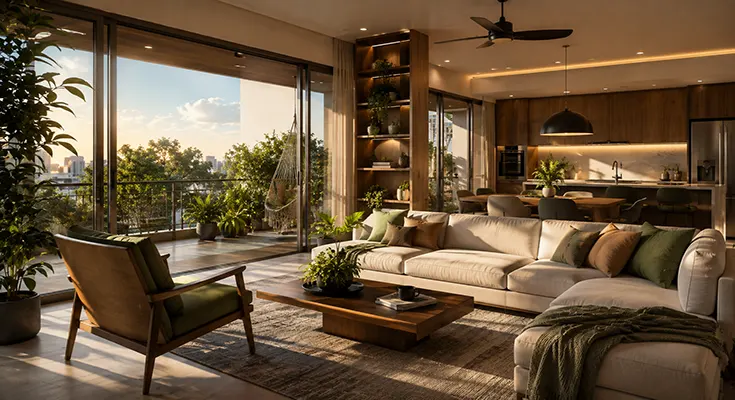
Everyday comfort is shaped by details that residents experience repeatedly, from the way natural light enters a room to how easily household members move between spaces. In Singapore, where homes often need to support work, rest, family activities, and entertaining within a limited footprint, practical residential design can make a meaningful difference. Buyers should look beyond decorative finishes and consider features that improve daily routines. A comfortable home is one that feels easy to use, pleasant to occupy, and adaptable enough to meet changing household needs.
Efficient Layouts Make Better Use of Space
A well-designed floor plan can make a home feel more spacious without increasing its size. Efficient circulation, sensible room proportions, and clearly defined areas can reduce wasted space and make furniture placement easier.
Buyers should consider how they would actually use each room rather than relying on the appearance of a show unit. Door positions, kitchen work areas, storage locations, and the relationship between bedrooms and living spaces can all influence functionality. Developments such as The Serra Residences illustrate why thoughtful planning can be an important part of evaluating residential comfort.
Natural Light Creates a Pleasant Atmosphere
Natural light can influence how a home looks and feels throughout the day. Appropriately positioned windows can make living areas brighter and reduce the need for artificial lighting during daylight hours.
The amount of light entering a property can vary depending on orientation, surrounding buildings, floor level, and window placement. Buyers should visit a property at different times where possible to understand its lighting conditions. A bright home can feel more welcoming, while excessive direct exposure may require suitable shading solutions.
Ventilation Supports Indoor Comfort
Good ventilation is especially relevant in Singapore’s tropical climate. Window placement, unit orientation, balconies, and internal room arrangements can influence how effectively air moves through a home.
Natural airflow can contribute to a more comfortable indoor environment when weather conditions permit. Buyers should examine which rooms have windows and whether living areas receive adequate openings. Mechanical cooling remains important, but thoughtful ventilation can complement it and provide residents with greater flexibility in managing indoor conditions.
Storage Keeps Living Areas Organised
Insufficient storage can quickly affect how comfortable a home feels. Everyday belongings, clothing, appliances, luggage, children’s items, and work equipment all require suitable places to be kept.
Built-in wardrobes, kitchen cabinets, utility areas, and dedicated storage spaces can help reduce clutter. Buyers should assess actual storage capacity instead of assuming that a visually tidy show unit represents everyday use. Considering the household’s current possessions and likely future needs can reveal whether the available storage is genuinely sufficient.
Privacy Improves Residential Comfort
Privacy can have a significant effect on how relaxed residents feel at home. Bedroom placement, window positions, balconies, corridors, and the orientation of neighbouring units can influence the level of visual and acoustic separation.
Buyers should examine sightlines between homes and consider whether high-traffic communal areas are positioned close to private rooms. Landscaping can provide additional screening in selected areas. Good residential planning allows residents to enjoy communal facilities while preserving a sense of personal space inside their homes.
Temperature Control Matters Daily
Singapore’s climate makes effective temperature management an important part of home comfort. Air-conditioning systems, ceiling fans, shading, insulation, window design, and ventilation can all contribute to indoor conditions.
Buyers should consider how rooms are positioned and whether certain areas may receive more heat during the day. Energy efficiency is also worth examining because cooling can contribute significantly to household electricity use. Features that help regulate indoor temperatures can support both comfort and practical household management.
Outdoor Spaces Extend Living Areas
A balcony, terrace, garden, or nearby landscaped area can provide residents with an additional place to relax. Even a modest outdoor space can be useful for enjoying fresh air, growing plants, or taking a break from indoor surroundings.
The usefulness of outdoor areas depends on orientation, privacy, shade, size, and accessibility. Shared gardens and recreational spaces can provide additional options when private outdoor areas are limited. Buyers should consider whether these spaces are genuinely usable rather than treating their presence as a purely visual feature.
Convenient Amenities Reduce Daily Effort
Residential comfort also depends on what is available beyond the front door. Swimming pools, fitness centres, lounges, playgrounds, function rooms, gardens, and other shared facilities can reduce the need for additional travel.
The surrounding neighbourhood is equally important. Projects such as Dunearn Green show why buyers may consider nearby shops, dining options, transport services, parks, and essential facilities when evaluating the complete residential experience. Convenience can save time and make ordinary routines easier to manage.
Quiet Environments Support Rest
Noise can have a noticeable effect on residential comfort. Buyers should consider the location of bedrooms, lifts, recreational facilities, roads, neighbouring buildings, and service areas when viewing a property.
A unit may appear attractive during a quiet daytime visit but experience different conditions during peak traffic or evening activity. Visiting the area at more than one time can provide a better understanding of its acoustic environment. Window quality, building construction, and internal layout can also influence how much outside noise reaches living spaces.
Smart Features Can Add Practical Convenience
Technology can make certain household tasks easier when it is reliable and intuitive. Smart locks, automated lighting, security systems, climate controls, and digital access can simplify routine activities.
The value of these features depends on how well they integrate into everyday life. Buyers should consider ease of use, system compatibility, security, and long-term support. Technology should complement good physical design rather than compensate for weaknesses in the home’s layout or construction.
Comfort Should Remain Useful Over Time
The most valuable residential features are often those that continue to support residents after the initial excitement of moving in has passed. Efficient layouts, natural light, ventilation, storage, privacy, temperature control, outdoor areas, convenience, and good acoustic conditions can all influence daily satisfaction.
Homebuyers should therefore evaluate properties through the lens of ordinary routines. Imagine preparing breakfast, working from home, hosting family, storing belongings, resting at night, and managing household tasks. A home that performs well across these situations is more likely to provide lasting comfort. Thoughtful residential features may seem subtle individually, but together they can make everyday living considerably easier and more enjoyable.