

Buying a condominium in Singapore involves more than arranging the purchase price and securing financing. Homeowners also need to consider the ongoing costs associated with owning and maintaining a residential property.
These expenses can vary depending on the development, unit size, facilities and individual circumstances. Understanding them early can help prospective buyers create a more realistic picture of the financial commitment involved.
For anyone researching Singapore real estate, looking beyond the headline property price is an important part of responsible planning.
What Are Ongoing Property Costs?
Condominium ownership can involve several recurring expenses.
These may include maintenance contributions, property tax, utilities, insurance and routine household expenses. Owners may also need to budget for repairs, replacements and renovation work over time.
The exact amount will depend on the property and the homeowner’s circumstances.
Rather than estimating everything from a single figure, buyers can create a broader ownership budget that includes both predictable and occasional expenses.
Maintenance Contributions
Condominium developments have shared facilities and common areas that require ongoing upkeep.
Maintenance contributions help support the management and operation of these shared spaces and services.
The amount payable can differ between developments and may also depend on the share value associated with a particular unit.
Prospective buyers should therefore obtain the relevant current information for the specific property they are considering.
One Chuan Grove and Ownership Planning
One Chuan Grove is a condominium development in the Chuan Grove area, and prospective buyers can include its expected ownership costs when assessing whether a particular unit fits their budget.
The development’s range of unit configurations means different buyers may have different requirements and financial considerations.
Before making a commitment, purchasers can review the applicable maintenance arrangements and other ownership expenses alongside the property’s purchase price.
This provides a more complete picture of the financial responsibilities associated with the home.
Property Tax
Property tax is another expense that homeowners should account for.
Singapore property tax is administered according to government rules, and the amount depends on factors including the property’s annual value and the applicable tax treatment.
Buyers should refer to current information from the Inland Revenue Authority of Singapore when calculating their potential liability.
Tax rules can change, so using current official information is preferable to relying on outdated property articles.
Utilities and Household Expenses
Regular household bills are separate from condominium maintenance costs.
Electricity, water, telecommunications and other services contribute to the monthly cost of living.
Larger households may naturally consume more utilities, while the amount can also vary according to lifestyle and usage.
When calculating affordability, buyers can estimate these expenses based on their current household consumption rather than assuming that all properties will have similar running costs.
Repairs and Replacement Costs
Even a relatively new home will eventually require maintenance.
Air-conditioning systems, appliances, fittings and household equipment may need servicing or replacement.
Homeowners can prepare for these expenses by maintaining a separate reserve for occasional repairs.
This can reduce the financial impact of unexpected household problems.
River Opus and the Cost of Condominium Living
River Opus is a residential development in River Valley, and buyers researching the project can consider its ownership costs alongside its location and residential offering.
The development is planned with a variety of residential units, meaning prospective purchasers can assess different layouts according to their household and financial requirements.
Its location near established destinations such as Great World and Robertson Quay may also be relevant when considering everyday spending patterns, including shopping, dining and leisure.
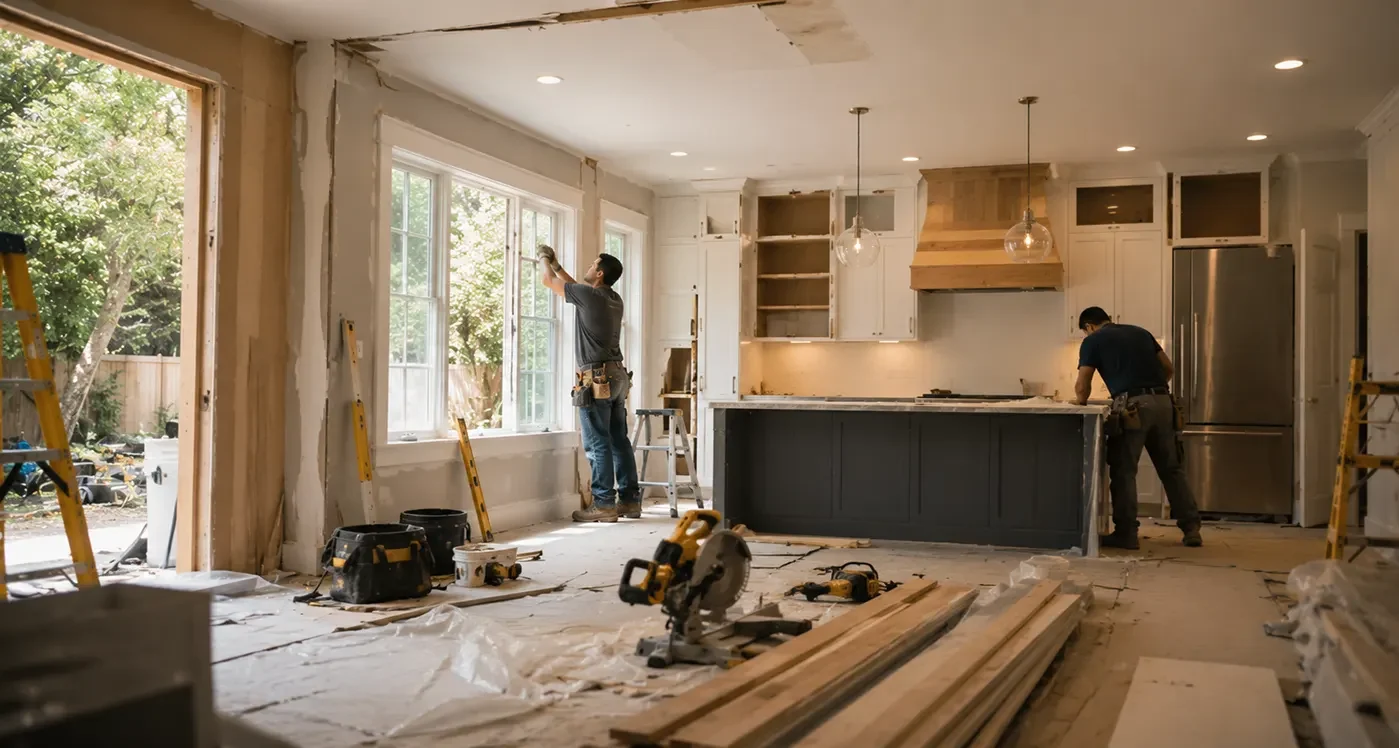
Renovation Should Be Part of the Budget
Renovation is another cost that can be overlooked during the initial property search.
Some buyers may want to make extensive changes to interiors, while others may prefer to move in with minimal alterations.
The budget can vary significantly depending on the scope of work.
Homeowners should consider flooring, carpentry, lighting, appliances, painting and other potential expenses where relevant.
It is also important to check applicable condominium renovation rules before beginning work.
Insurance and Protection
Homeowners may also wish to consider appropriate insurance coverage.
The type and level of cover required can depend on the property and individual circumstances.
Buyers should understand what is already covered through the development’s arrangements and what may require separate protection.
Reviewing these details before completion can help avoid confusion later.
Build a Realistic Ownership Budget
A simple budget can make property comparisons easier.
Separate expenses into three groups:
- Monthly costs: Regular maintenance, utilities and other recurring payments.
- Annual costs: Property tax and other yearly expenses.
- Occasional costs: Repairs, replacements and renovation.
This approach can make it easier to estimate the total financial commitment.
Look at the Property Beyond Its Purchase Price
A property’s asking price provides only part of the financial picture.
For buyers researching One Chuan Grove, understanding recurring condominium expenses can help place the purchase within a broader household budget.
For those considering River Opus, the same principle applies when evaluating the total cost of owning a home in the River Valley area.
The objective is not simply to determine whether a buyer can afford the initial transaction. It is to understand whether the property remains financially manageable after moving in.
Final Thoughts
Responsible property research includes both the purchase and the years that follow.
Maintenance contributions, taxes, utilities, insurance, repairs and renovation can all form part of the overall ownership cost.
By identifying these expenses early and checking the latest official information, Singapore homebuyers can build a more realistic budget and compare residential properties according to their complete financial commitments rather than focusing only on the initial purchase price.