
The Value of Feeling Comfortable in Your Own Space
A home should provide a place where residents can relax, spend time with family, and enjoy personal activities without feeling unnecessarily exposed to the outside world. Privacy plays an important role in this experience, yet it can be difficult to judge from photographs or a brief property description.
The position of windows, the relationship between neighbouring buildings, and the arrangement of shared spaces can all affect how private a home feels. Interior layouts also matter, particularly when several household members have different schedules or personal preferences.
Considering these factors during the property search helps buyers make a decision based on everyday comfort rather than appearance alone.
Examine Window Placement and Sightlines
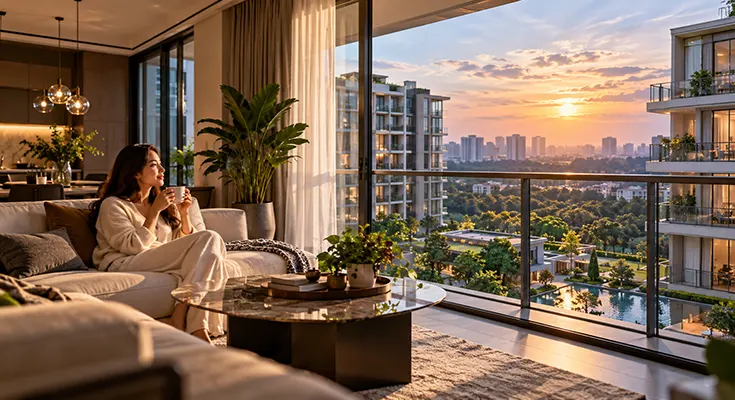
Windows bring daylight into a home, but their position can also influence privacy. A window facing another residential block may create different considerations from one overlooking an open area or a less active part of the surroundings.
During a viewing, observe what can be seen from the main living areas and bedrooms. Consider whether neighbouring windows, balconies, or nearby walkways have a direct view into the rooms.
The experience may vary depending on the unit’s floor level, orientation, and surrounding structures. Buyers should therefore evaluate their preferred unit rather than assuming that every apartment within the same development offers the same degree of privacy.
Window coverings can provide additional control over visibility, although they may also affect daylight. Choosing suitable coverings requires balancing natural light, ventilation arrangements, and personal preferences.
Consider the Relationship Between Bedrooms and Shared Areas
Privacy is not only about what neighbours can see. It also depends on how comfortably household members can use different parts of the home.
A layout that places bedrooms away from the busiest shared areas may be useful for residents who work different hours or need quiet periods. Similarly, the arrangement of the living room and entrance can influence whether visitors pass close to private spaces.
Families should consider how these areas will function during ordinary routines. For example, someone resting in a bedroom may appreciate separation from evening conversations in the living room.
Reviewing the floor plan with these situations in mind can reveal practical advantages that are not immediately obvious from the total floor area.
Assessing Privacy at Solano Grand
Prospective buyers researching Solano Grand can examine the official unit plans and, where possible, view the actual position of their preferred unit within the development.
Pay attention to window orientation, nearby structures, and the relationship between the entrance and the main living spaces. These details may affect visibility and the movement of visitors through the home.
Buyers should also consider how furniture placement could improve privacy without making rooms feel cramped. A thoughtfully positioned sofa, bookshelf, or screen may help define separate areas in an open layout.
However, decorative solutions cannot address every issue. If direct sightlines or other concerns are important, it is better to identify them before purchasing rather than assume they can always be resolved afterward.
Confirm the relevant specifications and avoid relying on general statements about privacy that may not apply equally to every unit.
Understand Noise and Privacy in Shared Buildings
In an apartment development, residents share certain parts of the building and may encounter neighbours in corridors, lifts, and communal facilities.
The practical effect depends on the layout and the way shared spaces are used. Buyers can investigate the position of their preferred unit relative to entrances, lifts, and other areas where people regularly gather.
It is also useful to ask about applicable community rules and arrangements for managing disturbances. Although these measures cannot eliminate every inconvenience, they may help establish expectations for considerate behaviour.
Privacy should be considered alongside the benefits of shared living. Communal environments can provide opportunities for social interaction while still allowing residents to maintain boundaries within their own homes.
Creating Personal Space Around Wynwood Grand
Those considering Wynwood Grand can assess how the available layouts support privacy for different household members.
Start by identifying the rooms that need the greatest separation. A remote worker may require a quieter corner for online meetings, while parents may prioritise bedroom arrangements that support children’s rest.
Review the relationship between living areas, bedrooms, windows, and the main entrance. If the household frequently hosts visitors, consider whether guests can use the communal areas comfortably without passing through more private parts of the home.
The surrounding environment also deserves attention. Observe the relationship between the property and nearby buildings or shared routes, and verify any concerns through an actual site visit where possible.
The goal is to understand how the selected unit functions in practice rather than making assumptions based solely on the development’s overall design.
Use Interior Design to Support Privacy
Simple furnishing choices can help create distinct zones within a home. Curtains and blinds offer control over visibility, while appropriately positioned furniture can separate work, rest, and social activities.
In open-plan layouts, rugs, shelving, or carefully arranged lighting may help define different functions without building permanent partitions.
Before making changes, consider how they affect movement, daylight, and ventilation. Large screens or cabinets may improve separation but can also make a room feel smaller.
Choose solutions that address a specific need instead of adding barriers unnecessarily.
Establish Healthy Boundaries Within the Household
Even a well-designed home may feel crowded when household members have different expectations about personal space.
Agreeing on quiet periods, asking before entering private rooms, and organising shared areas can help residents maintain comfortable boundaries.
Families with teenagers or multigenerational households may find these discussions especially useful. Everyone should have opportunities to enjoy communal activities while retaining reasonable personal space.
These arrangements complement the physical privacy provided by the property.
Balance Privacy With Other Priorities
A secluded unit may offer advantages, but buyers should consider privacy alongside affordability, natural light, accessibility, and other practical requirements.
For example, window coverings may address some visibility concerns, while a less convenient layout may be harder to change. Evaluating these trade-offs early helps buyers focus on features that matter most to their household.
Conclusion
Residential privacy depends on several factors, including window orientation, internal layout, neighbouring structures, and household routines. These details can influence how comfortably residents relax, work, and spend time together.
By reviewing the specific unit and thinking through everyday situations, buyers can make a more informed property decision. A suitable home should offer a practical balance between personal privacy, natural light, and the benefits of living in a shared residential community.