
A reliable plumbing system is essential for every commercial property. Whether it is an office, restaurant, retail store, warehouse, or industrial building, plumbing problems can interrupt daily operations and create unexpected expenses. Small issues such as recurring leaks, low water pressure, and rusty water may seem manageable at first. However, they can indicate that the existing pipework is reaching the end of its useful life.
Commercial repiping offers a long-term solution by replacing old, damaged, or unsuitable pipes with new materials. Working with experienced repipe specialists in York, PA can help property owners identify hidden plumbing concerns and plan the replacement work before a major failure occurs.
Understanding how commercial repiping works and the benefits it provides can help businesses protect their properties, employees, customers, and budgets.
What Is Commercial Repiping?
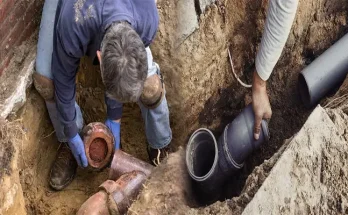
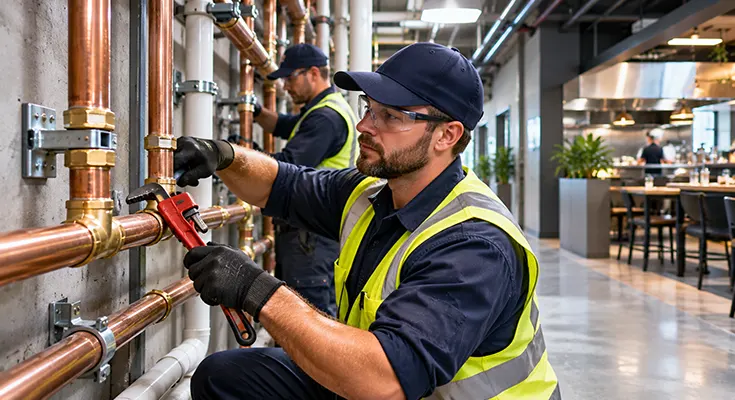
Commercial repiping involves replacing some or all of the water supply pipes within a commercial building. The work may include removing corroded, leaking, or outdated pipes and installing modern alternatives designed to provide reliable water flow.
The extent of the project depends on the building’s age, plumbing layout, pipe materials, and current condition. In some properties, only certain sections need replacement. In others, a complete repiping project may be the more practical option.
A professional plumber can inspect the system, identify problem areas, and recommend an appropriate solution.
1. Prevents Frequent Pipe Leaks
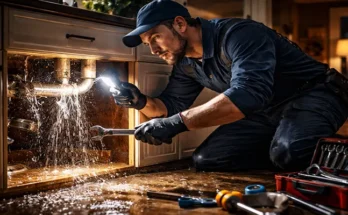
Repeated leaks are one of the clearest signs that a commercial plumbing system may need attention. Older pipes can weaken due to corrosion, mineral deposits, pressure changes, or general wear and tear.
Even a small leak can cause serious problems when left untreated. Water may damage walls, ceilings, flooring, electrical equipment, stock, and office furniture. In commercial environments, repairs can also disrupt employees and customers.
Repiping replaces deteriorating sections with new pipes, reducing the likelihood of recurring leaks. It can also help businesses avoid the repeated expense of emergency plumbing visits and temporary repairs.
2. Reduces the Risk of Water Damage
Water damage can be expensive for commercial property owners. A burst pipe or hidden leak may affect several areas before anyone notices the problem.
For example, a leak above a suspended ceiling could damage lighting, insulation, wiring, and internal finishes. In a warehouse or retail space, water could also affect stored goods and equipment.
Commercial repiping helps reduce these risks by removing pipework that is more likely to fail. Although no plumbing system is completely free from potential problems, replacing severely worn pipes can provide greater reliability and peace of mind.
3. Improves Water Pressure and Flow
Low or inconsistent water pressure can affect everyday business activities. Restaurants may struggle with kitchen cleaning and food preparation, while hotels and commercial facilities may experience complaints from customers or visitors.
Corrosion and mineral build-up can gradually narrow the inside of older pipes. This restricts water flow and may cause pressure problems throughout the building.
Replacing affected pipes can restore more consistent water delivery. It also helps ensure that plumbing fixtures and equipment receive the water supply they need to operate properly.
4. Helps Protect Water Quality
The condition of a building’s pipework can influence the quality of its water supply. Corroded pipes may contribute to discoloured water, unpleasant tastes, or visible particles.
Older plumbing materials can also create concerns that require professional assessment. For example, lead service lines or components may present health risks and should be evaluated by qualified professionals.
Repiping provides an opportunity to replace unsuitable materials with modern, appropriate piping. Property owners should discuss material choices with their plumber and ensure that all work complies with applicable plumbing requirements.
5. Reduces Unexpected Business Disruptions
Unexpected plumbing failures rarely happen at a convenient time. A burst pipe during business hours can force a restaurant to close, interrupt office operations, or make parts of a commercial building unusable.
Emergency repairs may also require shutting off the water supply, affecting toilets, sinks, kitchens, and other essential facilities.
Planned repiping allows businesses to schedule work around their operating hours where possible. A professional contractor can discuss phased installation, temporary water arrangements, and other measures to reduce disruption.
6. Lowers Long-Term Plumbing Maintenance Costs
Continuously repairing an ageing plumbing system can become expensive. Individual repairs may appear affordable, but repeated service calls, replacement parts, water damage, and operational downtime can add up over time.
Repiping requires an upfront investment, but it may reduce ongoing maintenance costs when the existing system is significantly deteriorated.
It can also make future plumbing maintenance more straightforward because the building has newer, more consistent pipework. The actual savings depend on the property’s condition, pipe materials, installation quality, and water usage.
Signs Your Commercial Property May Need Repiping
Not every plumbing issue requires a complete pipe replacement. However, several warning signs suggest that a professional inspection is worthwhile.
Look out for:
- Frequent leaks in different areas of the building.
- Rust-coloured or discoloured water.
- Low water pressure from multiple fixtures.
- Visible corrosion around exposed pipes and joints.
- Repeated blockages linked to deteriorating pipework.
- Unusual changes in water flow.
- Plumbing systems that require frequent repairs.
If these problems keep returning, ask a qualified plumber to assess the overall condition of the system rather than treating each issue separately.
Why Professional Assessment Matters
Commercial plumbing systems are often more complex than residential ones. They may serve multiple floors, bathrooms, kitchens, work areas, and specialised equipment. A poorly planned repiping project can create unnecessary costs and operational difficulties.
Experienced repipe specialists in York, PA can assess pipe condition, identify the areas that need replacement, and develop a plan suited to the property’s layout and business requirements.
Before starting the project, property owners should request a clear written estimate covering materials, labour, expected timelines, access requirements, and any necessary permits or inspections. It is also sensible to confirm that the contractor is properly qualified, insured, and familiar with local plumbing requirements.
Conclusion
Commercial repiping is more than a plumbing upgrade. It is a preventative investment that can help businesses avoid recurring leaks, water damage, poor water pressure, and unexpected interruptions. Replacing deteriorating pipes can also improve system reliability and reduce the need for repeated repairs.
By recognising early warning signs and arranging a professional inspection, commercial property owners can make informed decisions about their plumbing systems. Taking action before a major pipe failure occurs can help protect the building, support daily operations, and control long-term maintenance expenses.