
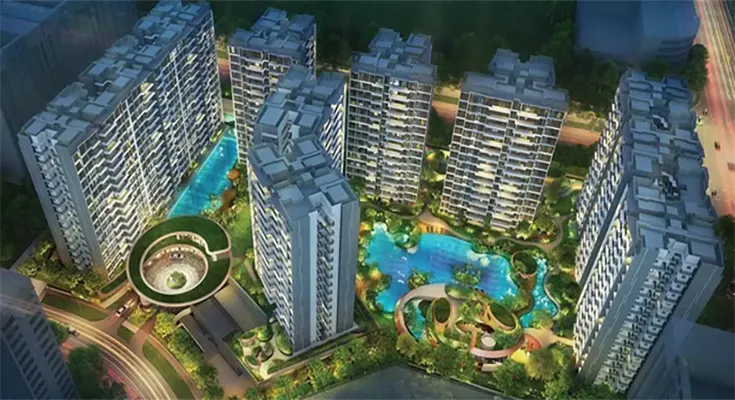
The housing in urban areas has transformed from a mere functionalism-based to a lifestyle-responsive need for sustainability and community. The residential design has taken the form of the way people live, work and relax in the limited areas of the city. The current trends like Tengah Garden Residences and Promenade Peak are indicative of this trend with a focus on flexibility, environmental harmony and effective planning. These projects are a wider trend in homes that are responsive to the long-term urban pressures as opposed to the short-term tendencies. It is still focused on the development of spaces that facilitate comfort, accessibility and changing household patterns in the expanding urban areas.
Design Respondent to Community-Centred Living
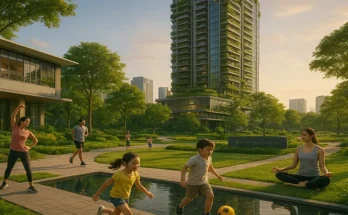
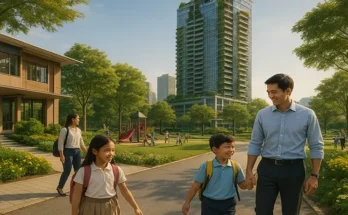
The architecture of the residence is instead more concerned with communal areas and communal connectivity. Tengah Garden Residences shows the power of proper planning in bringing people together without interfering with their privacy. Courtyard landscaped areas, walkable areas, and the location of amenities allow the residents to interact with the environment in a natural way. Promenade Peak is no exception since it is designed on the basis of combining residential space with community elements that facilitate social interaction. This balance will make residents feel independent and belonging, which is also a major need in large urban areas where loneliness would otherwise be the order of the day.
Sustainability as a Fundamental Architectural Principle
Modern residential planning has been brought into focus on environmental responsibility. Tengah Garden Residences uses design principles that assist in energy efficiency, natural ventilation and a green environment. These characteristics mitigate the environmental effects and enhance daily comfort. In the like manner, Promenade Peak is the embodiment of the increasing focus on sustainable materials and smart building orientation. These developments can be used to illustrate how architecture can address climate issues without compromising on aesthetics or functionality. Sustainable design is not an ad-hoc feature but a hallmark when it comes to housing that seeks to be relevant to future generations.
Adjustable Interior to a Changing Lifestyle
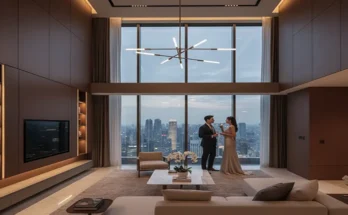
In present-day homes, flexibilities are essential and includes the ability to use a single space in various ways in the future. The layouts of Tengah Garden Residences are structured to have an option of remote work, family expansion, and lifestyle modifications without the need to significantly restructure. Promenade Peak equally responds to this need by ensuring that the floor plans are efficient in order to ensure maximum utilisation of space. The ability to make changes with interior design enables the residents to alter the living conditions as their needs change. This flexibility encourages the occupancy longevity and minimises the frequent changeover requirements, as residential architecture is in tandem with the useful urban way of life.
Embodiment of Nature in an Urban Form
Nature has turned out to be a very important aspect in residential well-being. Tengah Garden Residences incorporates green space in its architectural model to provide a relaxing environment in the city. Promenade Peak adopts the same practice and includes open areas, which relate the dwellers to the outdoors. These natural integrations help in the development of mental well-being and also improve the overall livelihood. Architecture that embraces nature is aware of the human desire to have a sense of balance, even in high-density developments and promotes a healthier urban lifestyle.
Value in the Long run by Becoming a conscientious Urban Planner
The residential projects that evolve in accordance with the change in the city are likely to provide a greater long-term value. The Tengah Garden Residences will be developed keeping in mind the future infrastructure and community development and thus will remain relevant. Promenade Peak is also an excellent reflection of futuristic design options, which help to promote sustainability and practical longevity. These developments show how architecture can be proactive in terms of predicting urban development and not reactive. Having in mind adaptability, sustainability, and livability, the residential spaces correspond with the realities of contemporary cities and the expectations of future inhabitants.
Conclusion
The trend of residential architecture continues to change with the changes in urban life. Tengah Garden Residences and Promenade Peak emphasise how considerate design can support density, sustainability and transforming social requirements. These trends can be seen as the wider approach in architecture of appreciating flexibility and longevity. Several cities are growing, and residential buildings are evolving, with those that will be able to evolve best characterising the future generation of urban spaces, providing spaces that can be functional, comfortable and relevant to time.