
Owning a home has always been a primary pillar of the American Dream, but in 2026, that dream comes with a sophisticated—and sometimes staggering—price tag for maintenance. While the “supply chain chaos” of the early 2020s has largely smoothed out, homeowners now face a different challenge: a critical shortage of skilled tradespeople and the rising cost of high-efficiency, “smart” home components.
Industry data for 2026 suggests the average U.S. homeowner should budget between $6,000 and $11,000 annually for routine maintenance and repairs. This aligns with the 1% Rule (budgeting 1% of your home’s value for annual repairs), though owners of aging homes or those in high-cost-of-living metros like Seattle or Boston may need to push that to 2% or 3%.
Section 1: The Heavy Hitters (Roofing & Foundation)
The “envelope” of your home is your first line of defense. In 2026, roofing costs are driven by a shift toward more durable, weather-resistant materials designed to withstand increasingly volatile storm seasons.
Roofing Costs in 2026
| Service Type | Average Cost Range |
| Minor Repair (Shingle patch/Flashing) | $400 – $1,300 |
| Moderate Repair (Partial decking/Leaks) | $1,500 – $3,500 |
| Full Replacement (Asphalt Shingles) | $9,500 – $18,000 |
| Full Replacement (Metal/Standing Seam) | $15,000 – $35,000 |
Foundation & Grading
Foundation issues remain the most feared repair. A simple crack injection to stop a basement leak typically runs $500 to $1,200. However, if your home requires structural piering due to soil shifting, costs can skyrocket to $10,000–$25,000.
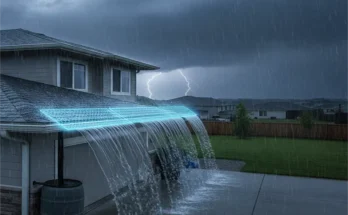
Pro-Tip: Proper gutter maintenance (costing just $200–$400 for a pro cleaning) is the best foundation “repair” you can buy. 90% of foundation issues are caused by improper water runoff.
Section 2: Climate Control (HVAC)
The HVAC industry in 2026 is in the midst of “The Great Correction.” New regulations on refrigerants (the transition to A2L types like R-454B) have made units more expensive to manufacture and service.
| HVAC Component | Repair/Service Cost | Replacement Cost |
| AC / Heat Pump | $250 – $1,200 (Recharge/Coils) | $6,500 – $15,000 |
| Furnace (Gas/Electric) | $180 – $800 (Ignitor/Motor) | $4,500 – $9,500 |
| Smart Thermostat | $150 – $400 | Included in system |
| Annual Tune-Up | $100 – $250 | N/A |
The “Repair vs. Replace” Rule for 2026: If your system is over 12 years old and the repair quote exceeds $1,500, most experts recommend replacement. Newer units are 20-30% more efficient, helping to offset the high upfront cost through lower monthly utility bills.
Section 3: Plumbing & Electrical (The Core Systems)
Labor rates for licensed plumbers and electricians have seen the sharpest increase over the last three years. In 2026, expect to pay $90 to $200 per hour depending on your region.
Plumbing Essentials
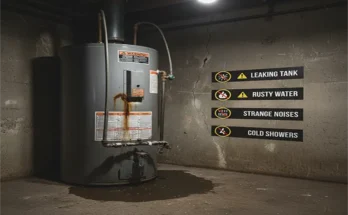
Water heaters are no longer a “cheap” swap. With new energy-efficiency mandates, even a standard tank replacement has climbed in price.
- Standard Tank Water Heater: $1,200 – $2,800 (Installed)
- Tankless Water Heater: $2,500 – $5,500 (Installed)
- Main Sewer Line Clear: $300 – $800
Electrical & The EV Shift
Electrical panel upgrades are the “trending” repair of 2026. As more homeowners adopt Electric Vehicles (EVs) and heat pumps, the standard 100-amp service is no longer enough.
- 200-Amp Panel Upgrade: $2,500 – $5,000
- EV Charger Installation (Level 2): $800 – $2,000
- Smart Panel (Energy Monitoring): $4,000 – $7,500
Red Flag: If your breakers trip when you use a microwave and a hair dryer simultaneously, your panel is likely overloaded. In 2026, an outdated panel isn’t just an inconvenience; it can be a barrier to insurance coverage.
Section 4: Kitchen & Appliances
Modern appliances are essentially “computers that wash dishes.” While they are smarter, they are also more expensive to fix.
| Appliance | Common Repair (Labor + Parts) |
| Refrigerator | $300 – $700 (Compressor/Control Board) |
| Dishwasher | $200 – $500 (Pump/Sensors) |
| Washing Machine | $250 – $600 (Motor/Transmission) |
In 2026, many appliances come with Remote Diagnostics. Before calling a technician, check if your appliance app can send a “health report” to the manufacturer. This can sometimes save you the $100–$150 diagnostic fee.
Section 5: Regional Price Factors
Location is the biggest variable in home repair.
- Tier 1 (NYC, SF, Seattle, DC): Expect to pay 30-50% above the national average. Labor is scarce, and permitting fees are high.
- Tier 2 (Dallas, Atlanta, Chicago, Phoenix): Generally aligns with the national average, though HVAC costs may be higher in the Sun Belt due to extreme demand.
- Tier 3 (Midwest/Rural): You may find labor for 20% less, but specialized parts for high-tech systems might take longer to arrive and cost more in shipping.
Building Your House Emergency Fund
The best way to handle the rising costs of 2026 is to stop viewing home repairs as “surprises.” They are mathematical certainties.
- The “House EF”: Maintain a dedicated savings account with at least $5,000 to $10,000 for emergency failures (like a midnight water heater burst).
- Maintenance Records: Keep a digital log of all repairs. In 2026, a “documented” home sells for a premium because it proves to the buyer that they won’t inherit a mountain of deferred maintenance.
- Proactive Inspection: Spending $500 a year on a “whole home health check” (plumbing, electrical, and HVAC) can prevent the $10,000 disasters that occur when small leaks or frayed wires go unnoticed.
Investing in your home’s health today ensures it remains your greatest asset—not your greatest liability—tomorrow.