
Winter is the ultimate “stress test” for a home, and the roof is on the front lines. In 2026, as weather patterns become increasingly volatile, homeowners can no longer afford to ignore their roofing systems until a leak appears on the ceiling.
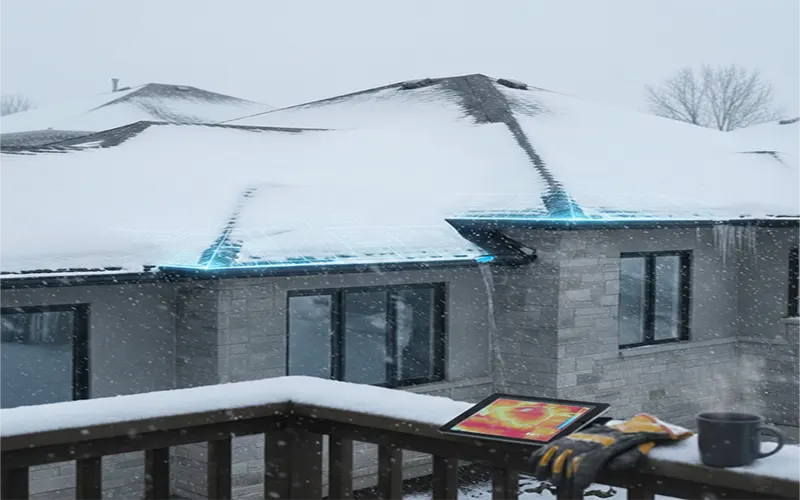
The primary danger isn’t just a simple hole in a shingle; it’s the Freeze-Thaw Cycle. When temperatures fluctuate, snow melts during the day and refreezes at night. If your roof isn’t properly prepared, this cycle creates ice dams—thick ridges of ice at the eaves that trap water, forcing it upward under your shingles and directly into your home’s structure. A minor $400 maintenance check in October can easily prevent a $15,000 emergency structural repair in mid-January.
Phase 1: The Exterior Inspection (Ground & Ladder)
Before the first frost, conduct a thorough visual audit. You don’t always need to climb a ladder to find trouble; a good pair of binoculars can reveal 90% of potential issues from the safety of the ground.
- Shingle Health: Look for “balding” shingles where the protective granules have worn off, as well as shingles that are curling at the edges or missing entirely. Granule loss is a sign the shingle is no longer shedding water effectively.
- The “Penetrations”: 80% of leaks occur at “penetrations”—places where something pokes through the roof. This includes chimneys, skylights, and plumbing vents.
- Flashing Check: Ensure the metal flashing around these penetrations isn’t rusted, cracked, or pulling away. In 2026, many contractors use specialized infrared cameras to detect moisture behind flashing that isn’t visible to the naked eye.
Phase 2: The Gutter & Drainage System
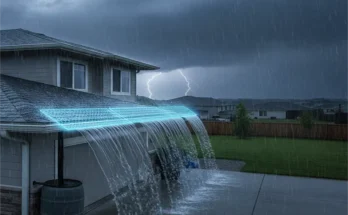
Your gutters are the “exhaust pipes” for your roof. If they are clogged, the entire system fails.
- The Ice Dam Connection: When gutters are full of autumn leaves, melting snow has nowhere to go. It pools in the gutter, freezes into a solid block, and begins the ice damming process.
- Clear the Downspouts: Ensure water isn’t just leaving the gutter but moving away from the house. In 2026, best practices dictate that downspout extensions should move water at least 3–4 feet away from the foundation to prevent basement flooding during the spring thaw.
- Secure the Brackets: Ice is heavy. A single foot of ice in a gutter can weigh over 50 pounds. Ensure your gutter brackets are tight so the weight of winter won’t tear the system off your fascia boards.
Phase 3: The Secret Weapon (Attic Health)
The biggest misconception in roofing is that the shingles do all the work. In reality, insulation and ventilation are what keep a roof alive during winter.
A healthy winter roof is a “Cold Roof.” If your attic is too warm because of poor insulation, it melts the snow on the roof prematurely. That water then runs down to the colder eaves (which stick out over the unheated exterior) and refreezes, creating an ice dam.
- Check the R-Value: In 2026, the recommended attic insulation for most temperate climates is R-49 to R-60. If you can see your floor joists in the attic, you likely need more insulation.
- The “Daylight” Test: Turn off the lights in your attic during a sunny day. If you see pinpricks of daylight near the eaves, your ventilation is working. If you see moisture stains or mold on the underside of the roof deck, your ventilation is blocked, and you are at high risk for wood rot this winter.
Phase 4: Surroundings & Tree Management
Nature is your roof’s greatest neighbor and its greatest threat. Heavy snow can turn a weak branch into a battering ram.
- The 6-Foot Rule: Trim any branches that are within 6 to 10 feet of your roofline. Not only does this prevent branches from snapping under snow load and crashing through your shingles, but it also stops squirrels and raccoons from using the trees as a bridge to your attic for winter nesting.
- Debris Removal: Even a small pile of needles or leaves on the roof can trap moisture, leading to “moss rot” that eats through shingles during the damp winter months.
Special 2026 Tech Spotlight: Smart Sensors
Technology has finally caught up to roofing. If you live in a high-snowfall area, consider these 2026 upgrades:
- Smart Heat Cables: Unlike old “always-on” heat tapes, modern self-regulating cables only turn on when a sensor detects both freezing temperatures and moisture.
- Roof Load Sensors: These are small, IoT-enabled devices that sit on your roof deck and alert your phone if the weight of the snow (the “snow load”) reaches a level that threatens the structural integrity of your rafters.
Professional vs. DIY: When to Call the Experts
While cleaning gutters is a standard DIY task, some jobs require a pro.
| Task | DIY-Friendly? | Why Call a Pro? |
| Gutter Cleaning | Yes (with a sturdy ladder) | High-reach or steep terrain. |
| Shingle Patching | No | Improper sealing can void your warranty. |
| Attic Insulation | Possible | Risk of blocking soffit vents (critical error). |
| Structural Sagging | Strictly No | Indicates major framing failure. |
The ROI of Prevention
Maintenance is an investment in your home’s longevity. In 2026, the national average for a full roof replacement has climbed to between $9,500 and $18,000. Comparatively, a seasonal check-up costs roughly $400 to $600.
By spending a few hours this October checking your “penetrations,” clearing your drainage, and ensuring your attic is “cold,” you aren’t just preventing a leak; you are ensuring that your sanctuary remains dry and safe when “Old Man Winter” eventually arrives.
The Winter Survival Toolkit
- Binoculars: For safe, ground-level inspections.
- Roof Rake: To pull heavy snow off eaves after a storm (always stay on the ground!).
- Non-Corrosive De-Icer: Avoid rock salt; it corrodes metal gutters and kills your lawn.