

For most people, a home is the single largest investment they will ever make. Yet, many homeowners treat maintenance as a reactive chore—something to be addressed only when a pipe bursts or the AC stops humming in the middle of a July heatwave. To truly protect your equity and your peace of mind, you must shift from a reactive mindset to a proactive one.
A helpful rule of thumb is the 1% Rule: you should plan to set aside at least 1% of your home’s total purchase price every year for routine maintenance. On a $400,000 home, that’s $4,000. By following this season-by-season guide, you can ensure those funds are spent on prevention rather than emergency cures, keeping your home safe, efficient, and beautiful.
Spring: The Great Exterior Refresh
As the snow melts and the ground thaws, Spring is your opportunity to assess the toll winter took on your home’s shell.
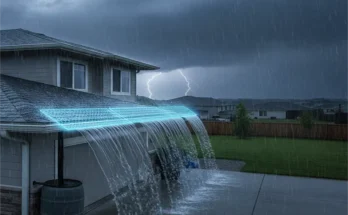
- Inspect the Roof and Gutters: Winter ice can loosen shingles and pull gutters away from the fascia. Use binoculars to look for missing or “curled” shingles. Clean out the debris left by autumn so April showers don’t end up in your basement.
- Service the HVAC (Cooling): Don’t wait for the first 90-degree day. Clean the coils on your exterior AC unit and ensure no vegetation has grown within two feet of the housing.
- Check the Sump Pump: With heavy spring rains, your sump pump is your last line of defense against a flooded basement. Pour a bucket of water into the pit to ensure the float trigger activates the pump immediately.
- Inspect Window and Door Screens: Holes in screens are invitations for pests. Repair small tears with a patch kit or replace the mesh entirely to allow for cross-ventilation during mild evenings.
- Power Wash the Exterior: Salt, grit, and mildew can degrade siding and paint. A gentle power wash (avoiding high pressure on wood) prevents permanent staining and rot.
Pro-Tip: When checking your roof, look for “granule loss” in the gutters. If your gutters look like they are filled with dark sand, your shingles are reaching the end of their life cycle.
Summer: Maximizing Outdoor Living
Summer maintenance is all about the “outside-in.” It’s the best time for projects that require dry heat and long daylight hours.
- Deck and Patio Maintenance: Inspect wooden decks for rot or loose boards. Perform the “water test”: drop a few beads of water on the wood. If it soaks in immediately, it’s time to reseal or stain to prevent warping.
- Landscaping and Grading: Ensure the soil around your foundation hasn’t settled. You want a “positive grade,” meaning the ground should slope away from the house to prevent water from pooling against the foundation.
- Exterior Paint and Caulk: High heat can cause old caulk to crack. Inspect the seals around windows and door frames. Recaulking these gaps prevents moisture from reaching the inner framing.
- Sprinkler System Audit: Check for “geysers” or clogged heads. Misdirected sprinklers hitting your siding every morning can lead to wood rot and mold.
- Pest Control Perimeter: Ants and termites are most active now. Walk the perimeter and ensure no firewood or mulch is touching the siding, as these act as “bridges” for wood-destroying insects.
Fall: Hardening the Home for Winter
Fall is the most critical season for maintenance. Your goal is to seal the “envelope” of the home to keep heat in and moisture out.
- Heating System Tune-Up: Schedule a professional to inspect your furnace or heat pump. Replacing a thermocouple or cleaning a burner in October is much cheaper than an emergency call on Christmas Eve.
- Gutter Cleaning (Part 2): Once the leaves have fallen, clear the gutters one last time. Clogged gutters are the primary cause of ice dams, which can force water up under your shingles and into your ceiling.
- Seal Air Leaks: Use weatherstripping on doors and expandable foam on any gaps where pipes enter the home (under sinks or in the garage). This can reduce heating bills by up to 15%.
- Disconnect Exterior Hoses: This is the most common DIY mistake. If a hose remains connected, water stays trapped in the “frost-proof” spigot. When it freezes, the pipe expands and bursts inside your wall.
- Chimney Sweep: If you have a wood-burning fireplace, have it swept to remove creosote buildup, which is the leading cause of chimney fires.
Red Flag: If you see “daylight” around your entry doors when they are closed, your weatherstripping has failed. You are literally paying to heat the neighborhood.
Winter: Interior Safety and Comfort
When the weather turns harsh, focus your attention inward. This is the time to ensure the systems that keep you safe are functioning perfectly.
- Test Safety Detectors: Change the batteries in all smoke and carbon monoxide detectors. Since windows are closed in winter, CO poisoning risks are higher.
- Clean the Dryer Vent: Lint buildup is a major fire hazard. Use a vacuum attachment to clean the ducting behind the dryer and ensure the exterior flap is opening and closing properly.
- Check for Pipe Insulation: In unheated areas like crawlspaces or attics, ensure pipes are wrapped in foam sleeves. On nights below freezing, leave cabinet doors open under sinks to let warm air circulate.
- Deep Clean the Kitchen: Pull out the refrigerator and vacuum the coils. Dusty coils force the compressor to work harder, shortening the appliance’s life and increasing your electric bill.
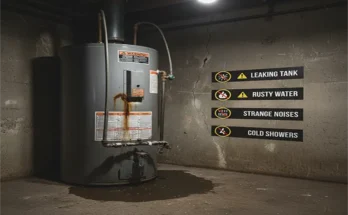
- Flush the Water Heater: Sediment builds up at the bottom of the tank, reducing efficiency and causing “knocking” sounds. Draining a few gallons out of the bottom valve once a year clears this debris.
The “Always-On” Monthly Checklist
Some things don’t care about the seasons. To keep your home’s air and water systems healthy, perform these three tasks every 30 to 60 days:
- Change HVAC Filters: A dirty filter restricts airflow and can eventually burn out your blower motor.
- Clean Range Hood Filters: Degrease these in the dishwasher to prevent kitchen fires.
- Refresh the Garbage Disposal: Grind up ice cubes and lemon peels to sharpen the blades and eliminate odors.
The Peace of Mind Dividend
Maintenance isn’t just about preserving the physical structure of your house; it’s about preserving your lifestyle. By breaking these tasks down into manageable seasonal chunks, you avoid the “weekend warrior burnout” and the crushing weight of a $10,000 repair bill.
A well-maintained home is quieter, cleaner, more efficient, and—most importantly—worth more when the time comes to sell. Treat your home like the sanctuary it is, and it will take care of you for decades to come.